
Nota del editor: Esta es la primera parte de una serie destinada a ayudar a los padres a comprender el mundo de los videojuegos.
The year was 1987. I excitedly climbed the stairs that led to my friend’s tiny second-story bedroom. Opening the door, I beheld a mysterious black box that looked like a VCR. It was an Atari, and it was like a portal to a new world. We gleefully swapped out plastic game cartridges, played pong as if it were an Olympic sport, and felt a sense of awe when we were finished.
A few weeks later, my parents and I were standing under the overly bright lights of a department store, staring at a display for the Sega video game system. My friend’s Atari was actually out of date by 1987. The original Nintendo Entertainment System had released in the U.S. two years earlier, and its rivalry with Sega was heating up.
Fast forward to 2025. According to marketwatch.com, “The video game industry has grown to be bigger than the sports and movie industry combined.”
Gaming is not just an after-school diversion. It’s a global force. According to the Motley Fool, the average U.S. household spent $435 on video games and video game related tech in 2023. The majority of households have some type of gaming device, and most parents are navigating the world of gaming alongside their children—it’s a big world to navigate. If you feel overwhelmed as a parent, you are not alone. This article is meant to be a primer for understanding today’s gaming landscape.
Al igual que la música, las películas y la televisión, los videojuegos se transmiten principalmente en línea en la actualidad. El 49 % de los videojuegos se juegan en dispositivos móviles, como teléfonos y tabletas. El 51 % restante se divide entre ordenadores personales y consolas de videojuegos como Xbox, PlayStation y Nintendo Switch. En los últimos años también se han vuelto populares los dispositivos de realidad virtual. Transmiten juegos directamente desde Internet o desde un ordenador cercano.
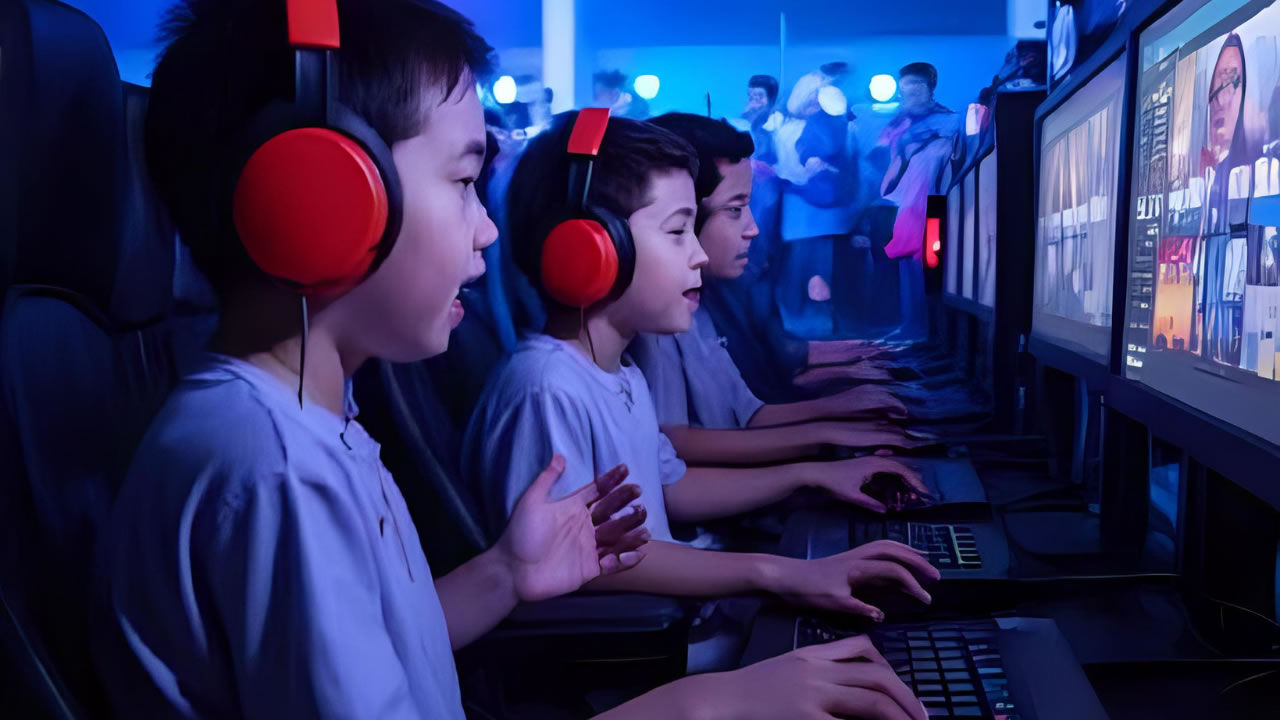
I remember going to slumber parties as a kid. We would stay up until the small hours of the morning playing video games and devouring potato chips together. In 2025, kids are still staying up late to play games together, but they’re not sharing their chips. They’re using web cams and headset microphones to connect, sometimes from across the world.
El juego en línea transformó los videojuegos, ya que los desarrolladores inventaron nuevas maneras de aprovechar el potencial de internet. A continuación se mencionan algunos ejemplos. Los juegos deportivos, como Madden y FC25, permiten a los jugadores jugar contra la máquina sin conexión o conectarse en línea para enfrentarse a otro jugador.
Juegos como Minecraft y Grand Theft Auto se conocen como juegos sandbox [o «cajas de arena», aunque la comunidad hispana prefiere el término en inglés en su habla cotidiana]. Cuentan con enormes mundos abiertos donde los jugadores pueden deambular y hacer lo que quieran. La historia y los objetivos están totalmente determinados por los jugadores. En Minecraft, los jugadores pueden invitar a sus amigos a unirse a su mundo personalizado, lo que permite la cooperación y la colaboración.
Los juegos multijugador masivos en línea (MMOG) son otro tipo de videojuegos. Son similares a los juegos sandbox, pero cuentan con objetivos e historias más específicos creados por los desarrolladores. En el juego World of Warcraft, por ejemplo, los jugadores forman equipos y trabajan juntos para completar misiones. A menudo, estas misiones son sensibles al tiempo y requieren que los equipos coordinen su juego en torno a una ventana de tiempo específica.
Video games were once thought of as a hobby for kids, but that has changed. As video games became more technologically sophisticated and gamers grew up, companies began to release games for teens and adults. Storylines became complex and emotionally rich. Game genres became as varied as movie genres, and the content grew less suitable for children. If a video game is labeled MA (mature) in 2025, it’s no joke. Any content found in an R-rated movie can also be found in video games with an MA content rating. Fortunately, there is strong demand for high-quality games that are clean and family friendly.
If you’re a parent feeling overwhelmed by the task of helping your kids navigate the world of gaming, take heart. You have a resource to help you: your kids. Ask open-ended questions, listen closely and watch the games they play. Engaging in things they care about is a great way to connect and learn why certain games interest them.
Una vez que sepas lo que le interesa a tus hijos, investiga un poco. Hazlo en oración. Así podrás decidir si un determinado videojuego es una buena opción para tu hijo.
James 1:5 says, "If any of you lacks wisdom, you should ask God, who gives generously to all without finding fault, and it will be given to you.” God will give you wisdom for your family! There are lots of useful websites like ign.com and Common Sense Media that review video games. Their reviews provide age ratings and general overviews for most new and popular games.
Otro recurso que puedes utilizar es YouTube. Muchos canales revisan videojuegos y un número impresionante de personas graba y publica sus propias rondas o partidas. ¡Literalmente puedes ver de qué va el juego por ti mismo! Para saber lo que opinan otros padres sobre ciertos juegos, busca tendencias de discusión en sitios como Reddit o Substack.
Por último, pero no menos importante, existen personas influyentes cristianas especializadas en el área de los videojuegos, como God and Gaming [Dios y los juegos, solo en inglés], Christian Gamer [Jugador cristiano] y Love Thy Nerd [Amarás a los cerebritos], que ofrecen muchos consejos piadosos de los que aprender.
The world of gaming presents huge challenges and amazing opportunities for parents. Believe God for His wisdom. Don’t be daunted. Take the advice of Star Trek’s Jean Luc Picard—Engage!